Broke and Burnt Out? 7 Energy Supplements We Actually Tested (and What the Science Says)
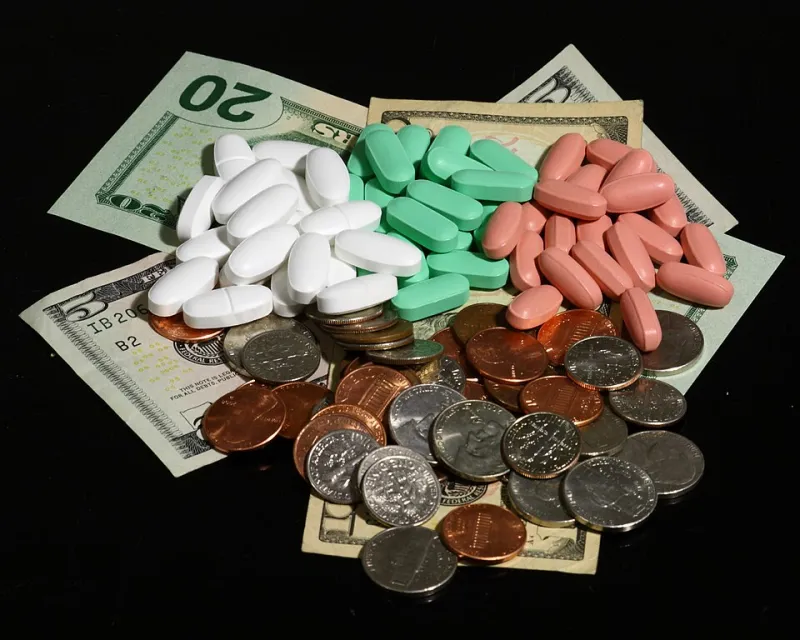
Photo: Ragesoss, CC BY-SA 3.0, via Wikimedia Commons
Walk into any CVS, Target, or scroll the Amazon bestseller list and you'll find an entire wall promising energy. Some of it's legit. Some of it's expensive urine. We wanted to know which is which — without spending more than $25 per bottle.
Over four weeks, three of our editors tested seven popular energy supplements, tracked how quickly (if at all) they noticed a difference, and cross-checked everything against published research. Below: the honest results, ranked from most to least impressive.
Important disclaimer before we go one step further: fatigue is a symptom, not a diagnosis. Persistent exhaustion can signal thyroid issues, anemia, sleep apnea, depression, and other conditions that no supplement will fix. Talk to your doctor before starting anything on this list — especially if you take medications, are pregnant, or have a health condition.
1. Vitamin D3 — The Quiet Winner
Price: ~$10 for a multi-month supply Evidence: Strong (if you're deficient) Time to feel a difference: 2–4 weeks
Here's the thing about vitamin D: if your levels are already fine, supplementing does little for energy. But deficiency is remarkably common in the US — especially in northern states during winter, when sunlight is scarce — and low D is associated with fatigue and low mood.
Our testers noticed subtle but real improvement by week three, particularly the two who work indoors all day. Ask your doctor for a simple blood test before supplementing heavily; D is fat-soluble and can build up.
2. Magnesium Glycinate — Best for the Wired-and-Tired
Price: ~$15 Evidence: Moderate Time to feel a difference: 1–2 weeks
Magnesium plays a role in hundreds of bodily processes, including energy production and nervous system regulation. Many Americans fall short of recommended intake, and signs of low magnesium include fatigue, muscle cramps, and poor sleep.
We tested glycinate specifically (easier on the stomach than oxide, and often taken at night). One editor reported noticeably better sleep within a week — and better sleep, of course, is the most reliable energy supplement ever invented.
3. Vitamin B12 — Great... If You're Low
Price: ~$8 Evidence: Strong for deficiency, weak otherwise Time to feel a difference: 1–3 weeks (if deficient)
B12 is essential for red blood cell formation and nerve function, and a genuine deficiency causes real fatigue. But here's the catch: if you eat meat, eggs, and dairy regularly, you're probably fine. B12 supplements shine for vegetarians, vegans, adults over 50 (absorption declines with age), and people on certain medications like metformin.
Our omnivore testers felt nothing. Our pescatarian editor felt a mild lift. Your mileage will depend entirely on your starting point.
4. Iron — Only With a Blood Test
Price: ~$10 Evidence: Very strong for iron-deficiency anemia Time to feel a difference: 3–6 weeks
Iron deficiency is the most common nutritional deficiency in the US, and it disproportionately affects women. If you're iron-deficient, supplementation can be genuinely life-changing. If you're not, extra iron can cause constipation and, over time, potentially serious overload.
We did not include iron in the blind test for this reason — it shouldn't be taken on a hunch. Get a ferritin blood test first. If you're low, this might be the single most impactful item on the list.
5. Caffeine + L-Theanine — The Smooth Operator
Price: ~$15 for a month of both Evidence: Good Time to feel a difference: Same day
This combo — a cup of coffee's worth of caffeine paired with 100–200mg of L-theanine, an amino acid found in green tea — is one of the better-studied nootropic stacks. Research suggests theanine smooths out caffeine's jitters and crash while preserving alertness.
Our testers agreed: noticeably cleaner focus than coffee alone, with far less of the 3 p.m. rebound. It's cheap and it works, but it's still caffeine — watch your total daily intake.
6. Adaptogens (Ashwagandha, Rhodiola) — Promising, Pricier
Price: ~$20–25 Evidence: Emerging, mixed Time to feel a difference: 2–4 weeks
Adaptogens are herbs thought to help the body manage stress. Ashwagandha has some decent studies behind it for stress and cortisol; rhodiola has smaller studies suggesting it may help with fatigue. Supplement quality varies wildly in this category, and dosing isn't standardized.
Our testers were split — one noticed a calmer baseline by week three, two noticed nothing. If stress is draining your battery more than sleep or diet, this category is worth a cautious look.
7. Energy Drinks and "Energy Complex" Blends — Skip
Price: $3+ per can, or $25+ for blends Evidence: Weak Time to feel a difference: Immediate (it's just caffeine and sugar)
Most proprietary "energy blends" are caffeine, sugar, and B vitamins in a trench coat. You already know how this movie ends: a spike, a crash, and a lighter wallet. You can get the same effect for a dollar with coffee.
The Decision Guide: Match Your Fatigue to Your Fix
- "I crash every afternoon no matter what" → Caffeine + L-theanine, and fix your breakfast habits
- "I'm tired but also stressed and wired" → Magnesium glycinate, possibly ashwagandha
- "I work indoors and rarely see the sun" → Vitamin D3 (ideally after a blood test)
- "I'm vegetarian/vegan or over 50" → B12
- "I'm exhausted, pale, and winded on stairs" → Doctor first; ask about iron and ferritin testing
- "I'm tired of spending money on tiredness" → Sleep, water, and a walk. Free, and nothing on this list beats them.
The honest conclusion from our test: supplements work best as fine-tuning, not foundations. Nail the basics first, test your levels where relevant, and spend your $15 wisely.