Two Weeks of Eating Like a Japanese Grandma: My Honest Energy Report
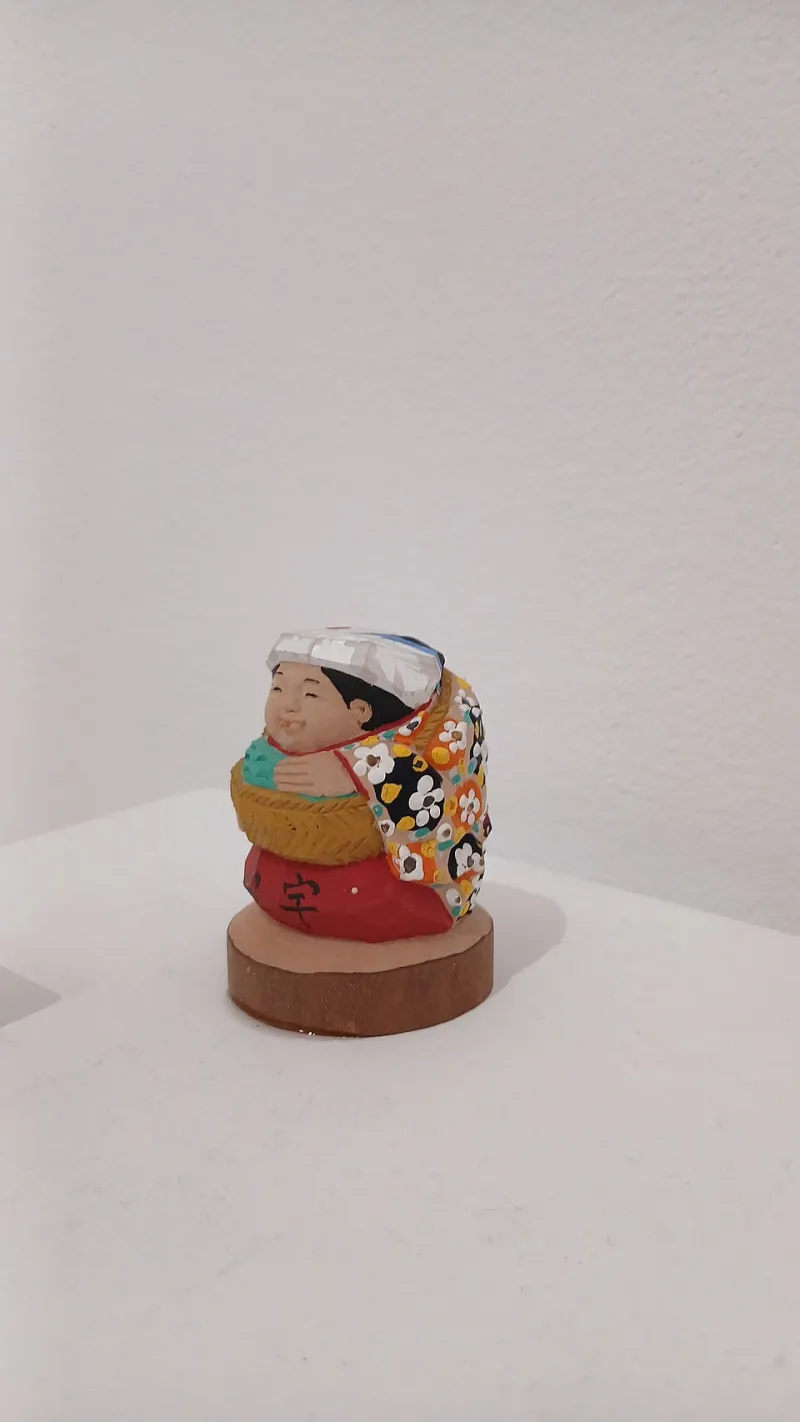
Photo: Mo Hany.Afife, Public domain, via Wikimedia Commons
The Rules I Gave Myself
I'll be honest: this experiment started because my energy was a rollercoaster. Big lunch, 3 p.m. crash, late-night chips, repeat.
My grandmother-in-law (Japanese, 78, terrifyingly energetic) has eaten the same way her whole life. So for two weeks, I followed her core principles — no cheat days, no "well, it's basically Japanese":
- Hara hachi bu — eat until you're 80% full, then stop
- Something fermented daily — natto, miso, pickles
- Small dishes, many of them — instead of one giant plate
- Seasonal and simple — vegetables, fish, rice, soup
- Okara — the soy pulp left from making tofu (more on this villain later)
Week One: The Natto Problem
Let's address the elephant in the room: natto. Fermented soybeans, famous for being sticky, pungent, and — to most American palates — deeply weird. My Kroger doesn't carry it. My first order arrived looking like beans in a science experiment, with little sauce packets and stirring instructions.
Verdict after day one: an assault. Day three: tolerable over rice. Day ten: I craved it. I'm as shocked as you are.
Can't find natto? Same fermented-soy benefits, friendlier packaging: miso soup (one packet, hot water, done), kimchi, plain unsweetened yogurt, tempeh, or refrigerated sauerkraut. Your gut bacteria don't care about authenticity.
What Hara Hachi Bu Actually Felt Like
Stopping at 80% full is the hardest part of this whole thing. Americans are trained to eat until we're uncomfortable — or until the plate is empty, whichever comes last.
The trick that saved me: the traditional meal structure does half the work. Instead of one burrito, I was eating rice, miso soup, a small protein, and two veggie sides. Lots of little pauses. Chopsticks slow you down naturally. By the time I'd pause and ask "am I actually full?" — I usually was.
By day five, my post-lunch crash was... gone? Not diminished. Gone. Turns out a 900-calorie lunch is a sedative, and a 500-calorie balanced one is fuel. Revolutionary. My grandmother-in-law could've told you that for free.
Okara: The Budget Hero Nobody Talks About
Okara is the pulp left over from tofu production, and it's practically free — my local Asian grocery sold a tub for $1.50. It's bland, slightly damp, and absolutely loaded with protein and fiber.
I mixed it into scrambled eggs, meatballs, and even pancake batter. It vanished into everything and kept me full until lunch. If you can't find it, blend some firm tofu into similar dishes. Close enough.
The Numbers, Because You Asked
- Energy: Steady mornings, no 3 p.m. crash after the first week. Subjectively a 7/10 average versus my usual 4.
- Digestion: Let's just say things became extremely regular by day four. Fiber is real.
- Grocery bill: Actually down about $30/week. Dried rice, beans, seasonal veggies, and small portions of fish are cheap. Meat as a garnish instead of a centerpiece is the money-saver.
- Weight: Down 3 pounds without trying, which felt like a side effect, not the goal.
What I'm Keeping (and What I'm Not)
Keeping: miso soup most mornings, hara hachi bu at every meal, the multi-small-dishes approach, and okara in my eggs.
Not keeping: daily natto. Twice a week is my ceiling, and I've made peace with that.
The biggest lesson wasn't any single food — it was the posture toward eating. Japanese home cooking treats food as gentle, daily maintenance rather than reward, punishment, or entertainment. Eat a little, of everything, mostly plants, and stop before you're stuffed.
It's not flashy. Grandmas rarely are. But two weeks in, my energy is steadier than it's been in years — and that's the kind of quiet win this whole site is about.
Genki ga deru — sometimes it starts in the kitchen.