Your Rest Day Is Broken: What Konbini Culture Taught Me About Actually Recharging
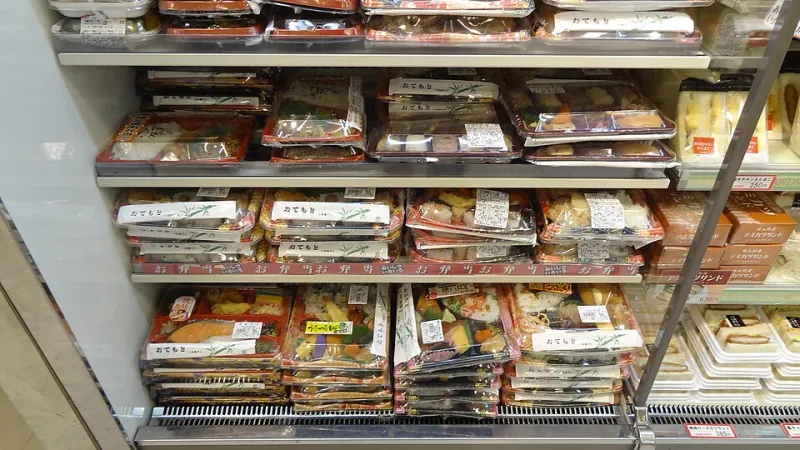
Photo: Martin Lewison, CC BY-SA 2.0, via Wikimedia Commons
Last spring, I spent a week in Osaka nursing a nasty cold — the kind that forces you to cancel everything and just... exist. With no energy to cook or even sit in a restaurant, I did what every local does: I walked two blocks to the nearest convenience store.
What struck me wasn't the selection. It was the philosophy behind it. Everything was designed to require almost zero effort while still being genuinely nourishing. A warm onigiri in a paper sleeve. A cup of miso soup you add hot water to. A single-serve packet of rice porridge. No decision fatigue, no delivery app guilt, no all-or-nothing thinking about what a "productive" day looks like.
I came home to the US and realized most of my rest days look nothing like that. They look like a couch, a phone, and a vague feeling of having wasted 14 hours.
The Problem With the American Day Off
Here's the uncomfortable truth: most of us don't know how to rest. We know how to collapse. There's a difference.
Collapsing looks like canceling everything and defaulting to whatever requires the least friction — usually scrolling. Research on this is pretty consistent: passive screen time tends to leave people feeling more drained, not less. It's rest-shaped, but it's not rest.
Rest, the kind that actually restores energy, has a few ingredients: gentle movement, real nourishment, low-stakes novelty, and — critically — the absence of guilt. That's exactly what konbini culture is built around.
Think Small, Warm, and Easy
The konbini approach to recovery rests on three principles:
1. Effort should be near zero. When you're depleted, cooking a elaborate healthy meal is a barrier, not a solution. The goal is nourishment with almost no activation energy. Think: a rotisserie chicken from the grocery store, pre-cut fruit, instant miso soup from the international aisle, microwaveable rice packets.
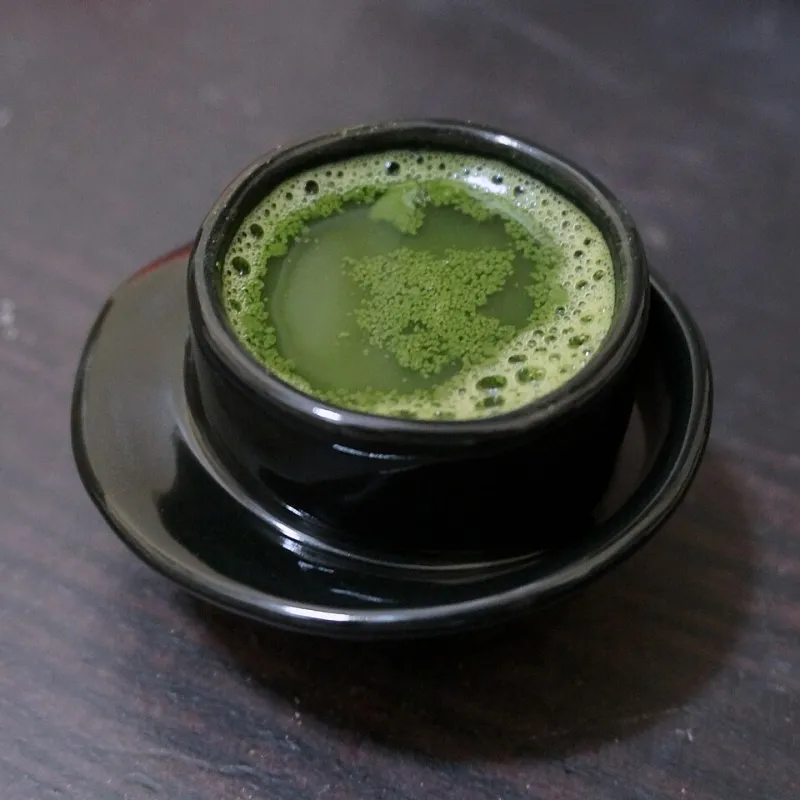
2. Warmth matters more than we admit. Japanese convenience stores famously keep a case of hot food — steamed buns, corn soup cans, warm sweet potatoes. Warm food and drinks signal safety to your nervous system in a way cold, sad desk leftovers don't. On your recovery day, make everything warm. Tea instead of iced coffee. Soup instead of a salad.
3. Portion the day, not just the plate. Konbini meals are small and frequent. Apply that to your schedule: instead of one big "rest block," sprinkle tiny restorative moments throughout — a 10-minute walk, a hot shower, one chapter of a book, a snack eaten sitting down at an actual table.
Your Weekend Recovery Framework
Try this the next time you wake up wrecked:
- Morning: No alarm if possible. Warm drink. Something soft to eat — oatmeal, eggs, rice porridge. No phone for the first hour.
- Midday: One low-effort outing. Walk to a store, any store. The point is gentle movement and a change of scenery, not errands. Buy one small thing that feels like a treat.
- Afternoon: A nap is allowed. So is doing nothing deliberately — sitting outside, listening to an album start to finish. The difference between this and doomscrolling is intention.
- Evening: Warm, simple dinner. Early wind-down. Rest days that end in a good night's sleep compound; rest days that end at 2 a.m. on your phone don't.
The Kintsugi Mindset
There's a Japanese art called kintsugi — repairing broken pottery with gold, making the cracks part of the object's beauty rather than something to hide. It's become a bit of a wellness cliché, but the underlying idea is sound: recovery isn't a detour from your life. It's part of the structure.
Americans tend to treat rest as a reward you earn by burning out first. The konbini model flips that: small, consistent, unglamorous maintenance, built into ordinary days. You don't need a week in Osaka to try it. You need a warm meal, a short walk, and permission to do less — on purpose.
That's the kind of rest that gives you your energy back. Genki ga deru, as they say. Energy comes out of it.