Lucky Food, Real Energy: I Turned Osechi Into an Everyday Pantry for 30 Days
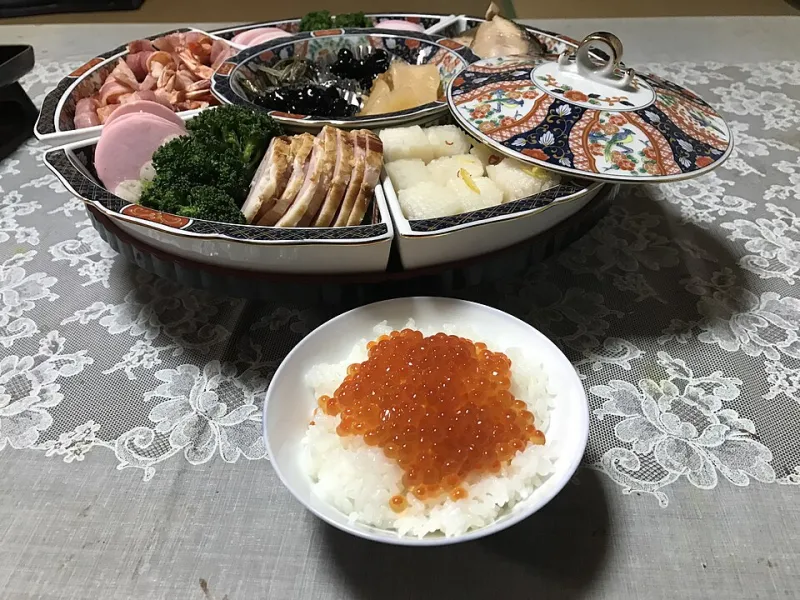
Photo: ノボホショコロトソ, CC BY 4.0, via Wikimedia Commons
Every January 1st, Japanese families open tiered boxes called osechi ryori—a feast of symbolic foods meant to bring luck, health, and stamina for the year ahead. Black soybeans for diligent work. Herring roe for fertility and abundance. Kombu seaweed for joy (it's a pun on yorokobu, to be glad).
It's charming. It's also, I noticed, basically a nutritionist's wish list: beans, seaweed, root vegetables, fermented foods, lean fish. So I had a question. What if I didn't wait for New Year's? What if I ate osechi-inspired foods every day for a month—sourced entirely from my regular US grocery stores—and tracked whether the "lucky, restorative" framing actually translated into real energy?
Spoiler: my grocery bill survived. My afternoons got weirdly good.
The Rules I Set for Myself
- Every day, include at least two "osechi category" foods: beans/soy, seaweed, root vegetables, fermented items, or small fish
- Total grocery budget: under $40 extra per week beyond my normal spending
- Rate energy at 9 a.m., 1 p.m., and 4 p.m. in a spreadsheet (yes, a spreadsheet—my inner accountant is thriving)
- No other diet changes. Coffee stayed. Pizza Fridays stayed.
Week 1: The Pantry Raid
My first discovery: you can build a startling amount of osechi from one shopping trip.
- Kuromame (black soybeans) → dried black beans or edamame, $2 a bag
- Kombu → a $4 pack of dried kelp lasts forever; a strip simmered in soup or rice does the job
- Nishime-style root veggies → carrots, daikon (or parsnips, honestly), and burdock if your store has it
- Kazunoko stand-in → the spirit is "small fish, big nutrition," so canned sardines at $1.50 a tin
- Fermented element → miso paste, which lives in the refrigerated aisle next to the tofu and judges no one
Energy scores this week: unremarkable. I felt the same, but my soups were excellent, which is its own kind of wellness.
Week 2: The Fiber Effect
Here's where things shifted. Beans and seaweed daily meant my fiber intake roughly doubled, and by midweek I noticed my 3 p.m. slump—the one I'd written off as "just who I am"—softened into something more like a gentle reminder to stretch rather than a total system crash.
The science tracks: steady fiber means steadier blood sugar, and steadier blood sugar means fewer energy cliffs. Osechi foods, it turns out, were engineered for people who needed to survive winter before electricity. They're slow-burn fuel.
Week 3: The Mood Surprise
I didn't expect this part. Eating foods with actual symbolic meaning—"these beans are for diligence, this kombu is for happiness"—changed how I felt about lunch. There's real research on food rituals and satisfaction, and anecdotally? A bowl of miso soup with a strip of kombu tastes different when you know you're eating "joy."
My 4 p.m. energy scores climbed about 15% this week. Correlation, not causation, sure. But I'll take it.
Week 4: The Verdict (and the Receipts)
Final tallies:
- Extra grocery cost: about $31/week average—less than my old takeout lunches
- 4 p.m. energy scores: up roughly 20% from baseline by week's end
- Unexpected bonus: my cooking got simpler, not harder. Osechi is make-ahead food by design; everything keeps for days
Want to Try It? Start With These Five
- Miso soup with kombu — five minutes, instant osechi energy
- Edamame or black beans — toss into anything
- Canned sardines on toast — kazunoko's affordable cousin
- Simmered root vegetables — soy sauce, mirin, done
- Pickled anything — umeboshi or quick cucumber pickles
You don't need lacquered boxes or a Japanese grandmother (though I'm told it helps). You need beans, seaweed, roots, and a reason to feel lucky at lunchtime. Turns out that's a pretty solid recipe for genki.
Note: I'm a writer, not a dietitian. If you have thyroid or blood pressure concerns, check with a doctor before going heavy on seaweed or soy.