Sumo Breakfast vs. Farmer Breakfast: I Tried Both for a Week and Tracked Every Energy Crash
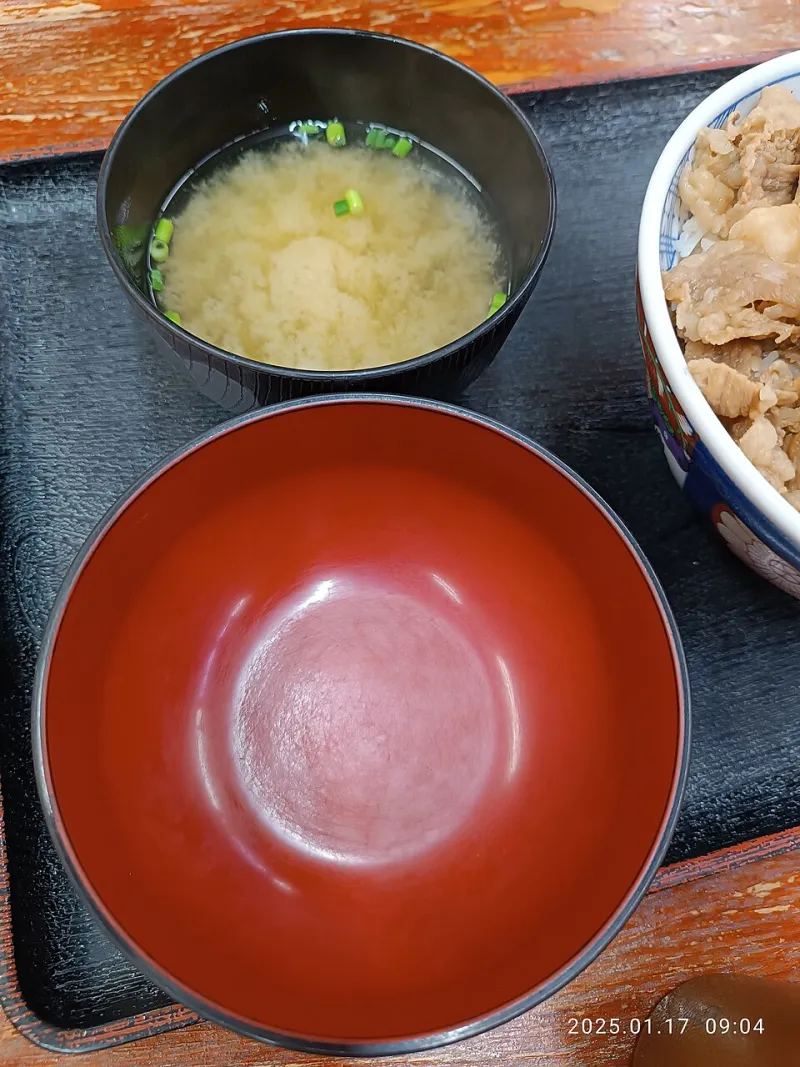
Photo: Naha Mama Pavilionz, CC0, via Wikimedia Commons
Here's a confession: I've been a breakfast skipper my entire adult life. Coffee at 7, first real food around noon, then a slow slide into the 3 P.M. fog that no amount of cold brew could fix.
So when I started digging into Japanese food culture for this site, two radically different breakfast traditions caught my attention. Sumo wrestlers famously eat enormous chanko-nabe hot pot meals—often as a path to weight gain. Meanwhile, the long-lived farmers of Okinawa historically ate small, simple mornings: rice, miso soup, pickled vegetables, maybe some natto if you were feeling brave.
Two extremes. One week each. I tracked my energy, focus, and crashes like a slightly obsessive lab rat. Here's how it went.
Week One: Eating Like a Rikishi (Minus the 10,000 Calories)
Full disclosure: sumo wrestlers eat chanko-nabe in massive quantities to gain weight, and they follow it with a long nap. I wasn't about to replicate that lifestyle—I have a job and a mortgage. So my version was a scaled-down hot pot breakfast: chicken thighs, tofu, napa cabbage, mushrooms, scallions, and a dashi-soy broth, with a big bowl of rice on the side.
The first morning was glorious. A steaming pot of savory soup at 7 A.M. felt like a warm hug. I was full for hours—legitimately unhungry until 2 P.M.
But here's what the log entries started to show by day three:
- Days 1–2: Energized, satisfied, weirdly cheerful. The warmth factor is real.
- Days 3–5: Heavy. A sluggish, food-coma feeling from about 9:30 to 11 A.M. My morning writing sessions got slower.
- Afternoon: Better than my usual skip-breakfast baseline, but I still hit a wall around 3 P.M.—just a softer one.
The verdict on the sumo approach: it beats skipping breakfast, but a giant savory feast first thing redirects a lot of blood and energy toward digestion. My body was busy processing a hot pot while my brain was trying to write an intro paragraph.
Week Two: The Okinawan Farmer's Morning
Then I flipped it. Small portions, fermented everything. My template:
- A fist-sized scoop of white rice
- A small bowl of miso soup with wakame and tofu
- Half a cup of natto (yes, the sticky fermented soybeans—more on that in a second)
- Pickled cucumber or whatever vegetable I had
- Green tea
Total prep time: about ten minutes once I got the rhythm down. I batch-made miso soup base on Sunday and just reheated portions.
The natto hurdle is real. The texture is... a commitment. My trick: stir it vigorously with the included mustard and soy sauce for a full thirty seconds until it gets fluffy, then pile it on the rice. It goes from "why is this stringy" to genuinely savory and nutty. If natto is a hard no for you, plain Greek yogurt or kimchi covers a lot of the same fermented-food territory.
And the energy results? Noticeably different.
- Mornings: Light and clear. No food coma. I could write immediately after eating.
- Hunger: I got genuinely hungry around 11:30—which sounds bad, but a small mid-morning snack fixed it, and eating when actually hungry felt better than being stuffed.
- The 3 P.M. test: This was the shocker. The crash basically didn't happen. Days two through seven, I cruised through the afternoon with steady, boring, wonderful energy. No cliff, no vending machine run.
Why the Small Breakfast Won (Probably)
I'm not a dietitian, so take this as one guy's n=1 experiment, but the pattern matches what we know about blood sugar. A huge rice-and-protein feast first thing can spike glucose and trigger the insulin rollercoaster—and that rollercoaster tends to dump you off around mid-afternoon. The smaller, fermented-food-forward meal keeps things steadier, and fermented foods like miso and natto bring gut-friendly bacteria into the deal, which some research links to better digestion and even mood.
There's also the portion psychology. The Okinawan approach echoes hara hachi bu—eating until you're only 80% full—which we've covered before on this site. Starting the day without ever hitting "stuffed" seems to set a calmer tone for everything that follows.
So Which Breakfast Should You Actually Eat?
Honestly? Steal from both.
If you skip breakfast entirely: Even the sumo approach beat my old coffee-only routine. Anything with real protein beats nothing. A simplified version—store-bought miso soup, microwave rice, a soft-boiled egg—takes five minutes.
If you overdo breakfast: The farmer's template is your friend. Small rice or oatmeal portion, miso soup, fermented something, tea. You'll likely notice the difference at 3 P.M. before you notice it at 8 A.M.
If you want the chanko experience: Save it for weekends. A hot pot breakfast is fantastic on a slow Sunday morning when a food coma is an acceptable outcome.
My permanent setup now is the Okinawan-style light breakfast on workdays, with the occasional weekend hot pot when I want to feel like a sumo legend. My 3 P.M. self has never been happier.
Genki ga deru—the energy that shows up—is often hiding in the smallest meal of the day. Turns out the farmers knew something the giants didn't.