One Grain, One Soup, Two Sides: The Japanese Dinner Formula That Made Grocery Shopping Weirdly Easy
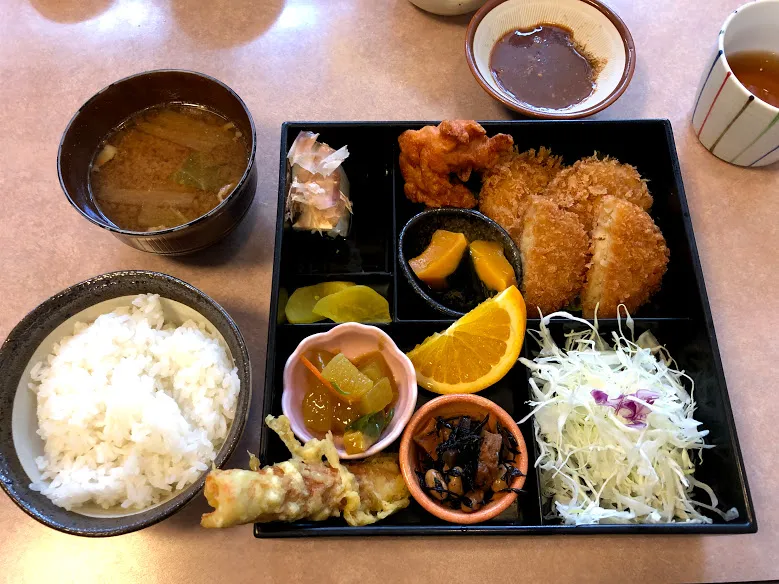
Photo: Betsylavolette, CC BY-SA 4.0, via Wikimedia Commons
The 5:47 P.M. Grocery Store Meltdown (You Know the One)
For years, my weeknight dinner routine went like this: wander into Safeway at 5:45, stand in the produce section with the emotional bandwidth of a wet paper towel, buy $70 of random ingredients, and then order DoorDash three days later because half of it went bad while I stared at it, uninspired.
Then I learned about teishoku—the classic Japanese set meal structure. It's not a recipe. It's a template: one grain, one soup, one main protein, two small sides. That's it. Walk into any teishoku restaurant in Tokyo and you'll see the same architecture whether it's grilled fish night or katsu night.
I decided to test whether this centuries-old dinner formula could work as a grocery shopping system. For two weeks. On a hard $40/week budget. Here's what happened.
The Template: Your Cart Becomes a Fill-in-the-Blank
The genius of teishoku as a shopping framework is that it collapses a hundred food decisions into five. Every week, I just answered:
- One grain: rice, soba noodles, barley (mugicha-adjacent, great in soups), or frozen brown rice packets
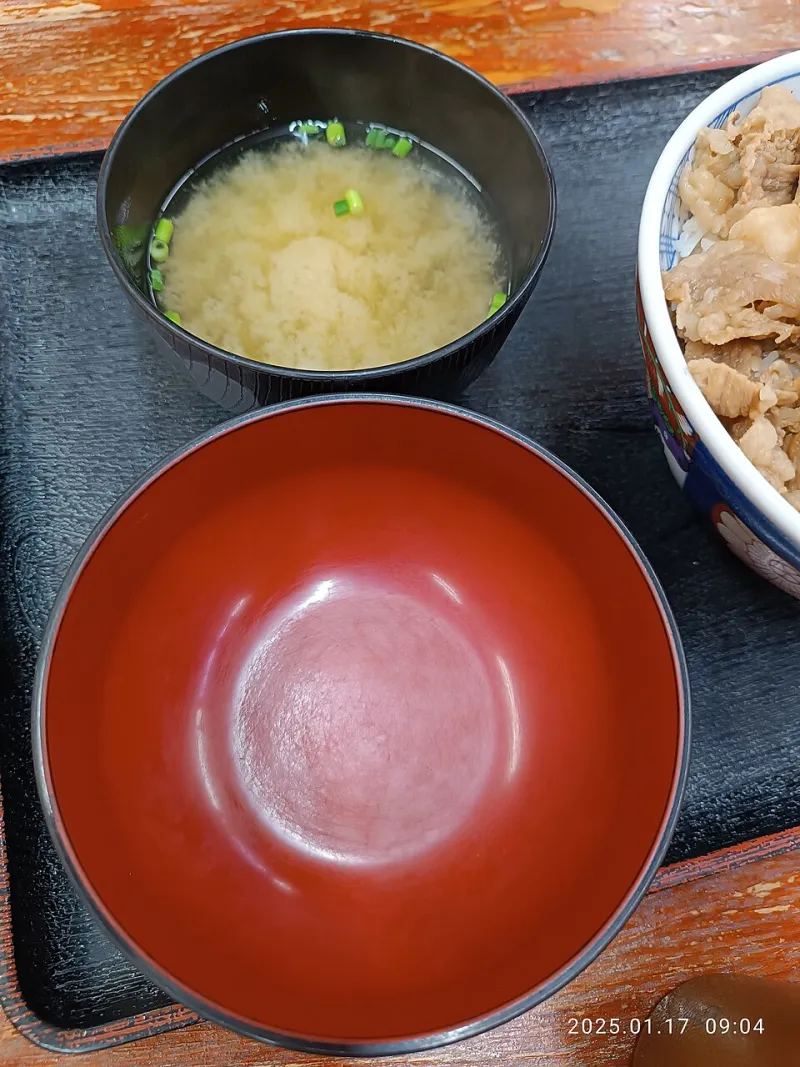
- One soup: almost always miso, but I swapped in dashi-based veggie soup when I was feeling fancy
- One protein: salmon, chicken thighs, tofu, eggs, canned sardines
- Two sides: anything from the produce aisle—blanched spinach with sesame, cucumber salad, roasted kabocha, kimchi
Instead of planning seven dinners, I was shopping for components that mix and match. Monday's leftover rice becomes Wednesday's grain. Tuesday's extra tofu shows up in Thursday's soup. The sides rotate freely, so nothing tastes repetitive, but the structure never changes.
My $40/Week Shopping List (Actual Prices, Actual Week)
Here's a real cart from week one, at a mid-priced US grocery chain:
- 2 lb bag of rice — $4.50 (lasts way more than a week, but I'll amortize)
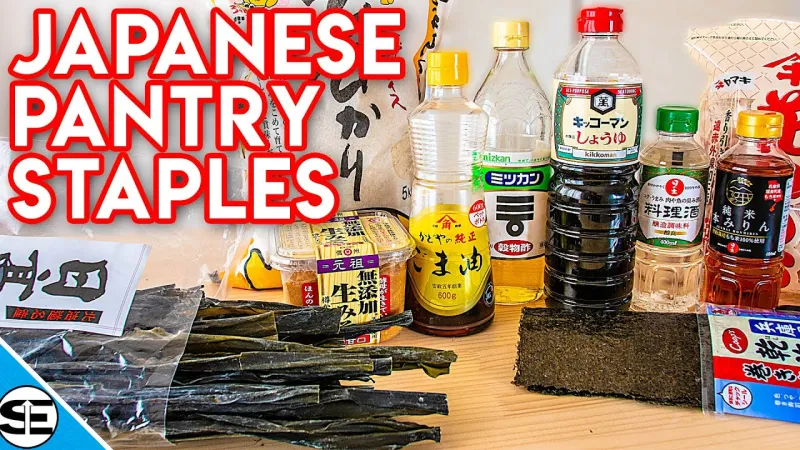
- Miso paste + dashi packets — $6 (lasts a month, but again, amortized to ~$2)
- Frozen salmon fillets, 1 lb — $8
- Block of tofu — $2.50
- Half dozen eggs — $3
- Spinach, cucumbers, cabbage, carrots — $9
- Sesame seeds, soy sauce I already owned
- 2 sweet potatoes — $3
- Nori + green onions — $4.50
Total: roughly $38–40/week once you account for pantry staples stretching across weeks. My previous grocery spend was closer to $65–75, with maybe 30% ending up in the compost. The teishoku template cut waste because every item had a job—nothing was bought on a whim to "maybe use in a stir-fry."
The Surprise: My 6 P.M. Crash Got Softer
I didn't expect the energy effect. But the classic teishoku plate is quietly balanced: complex carbs from the grain, steady protein, fiber and micronutrients from the sides, and a warm soup that slows down the whole meal. Compare that to my old dinners—whatever takeout I grabbed, eaten standing at the counter at 7:30.
By the second week, the late-afternoon dip that usually had me rummaging for chocolate at 4 p.m. was noticeably milder. Eating a real lunch (often last night's teishoku leftovers) probably had as much to do with it as the dinner structure itself. Balanced meals have a way of compounding.
What a Registered Dietitian Said
I ran the framework by a registered dietitian (not a teishoku specialist, which she admitted, but she lit up anyway). Her take:
- It's essentially a plate method in disguise. "One grain, one protein, two vegetables is exactly the kind of structure I recommend to clients who overthink meals. The soup adds hydration and often sodium-conscious broth, which helps satiety."
- Watch the sodium in miso. She suggested lower-sodium miso or using a smaller scoop, especially for anyone managing blood pressure.
- Portion flexibility is a feature. Athletes can scale the grain and protein up; the template doesn't break.
- The two sides don't have to be cooked. Store-bought kimchi, a quick cucumber salad, even cherry tomatoes count. "Lowering the friction is the whole game," she said.
Three Things I'd Tell You Before You Try It
Batch your soup base. I made a big pot of dashi Sunday night. Miso goes in per-bowl (never boil it—it kills the flavor and the good stuff). Three minutes to dinner, every night.
Frozen rice is your friend. US grocery stores sell frozen microwavable rice now. It's not a betrayal of the format. It's a Tuesday survival tool.
Let the sides be lazy. My most-repeated side was shredded cabbage with a splash of rice vinegar and sesame oil. Thirty seconds. Nobody suffered.
The Verdict: A Template, Not a Diet
Two weeks in, the teishoku formula did what no meal-kit subscription or 40-recipe Pinterest board ever did: it made dinner boring in the best way. Boring enough to stop thinking about. Reliable enough to keep my energy steady from the 3 p.m. slump through bedtime.
The Japanese set meal was never meant to be a productivity hack. But somewhere between one grain and two sides, dinner stopped being a decision and started being a rhythm—and honestly, that rhythm might be the most energizing thing I've added to my week all year.
Have you tried a meal template like this? The comments are open—I'd love to hear what your two sides would be.