I Swapped My Snacks for 7 Japanese Pantry Staples—Here's What Actually Helped My Energy
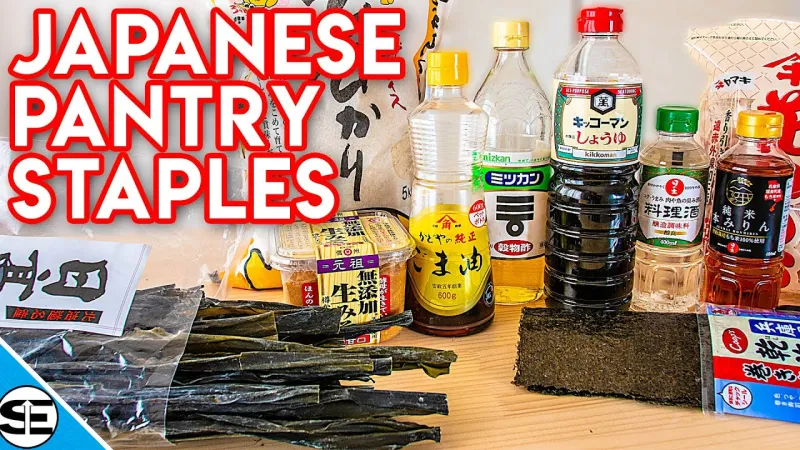
Photo: japanese pantry staples umeboshi miso barley tea ingredients flat lay, via i.ytimg.com
The 3 p.m. crash usually isn't a mystery. It's a receipt. It's the white bagel at breakfast, the vending-machine chips, the soda that seemed like a good idea at noon.
So when I kept reading about how everyday Japanese pantry staples—things that have sat in Japanese kitchens for generations—might smooth out blood sugar and support gut health, I decided to run a low-stakes experiment: swap seven of my usual snack-shelf suspects for Japanese staples for two weeks, and see what happened to my energy.
Here's the honest rundown, taste-test verdicts included.
1. Umeboshi (Pickled Plum): The Salt Swap
What it is: A tart, intensely salty pickled plum that's been a Japanese breakfast companion forever.
Why it might help: Salty, sour, and potent, a single umeboshi can satisfy a salt craving with actual flavor instead of a bag of chips. Traditional Japanese wisdom even pairs it with rice before hard work.
Taste verdict: Aggressive. Sour first, salty second, in the best way.
The swap: Chop half of one into your morning rice or oatmeal instead of reaching for the salt shaker. About $6–8 for a jar online or at an Asian grocery.
2. Miso: The Afternoon Soup
What it is: Fermented soybean paste, the backbone of miso soup.
Why it might help: Fermented foods mean probiotics, and gut health is increasingly linked to how steady you feel day to day. Miso also delivers umami depth for very few calories.
Taste verdict: Comforting. Salty-savory and warm.
The swap: Keep a tub at work. One tablespoon in hot water with a pinch of scallions beats the vending machine around 2:30. Around $4–5 a tub at most US supermarkets now.
3. Barley Tea (Mugicha): The Soda Replacement
What it is: Roasted barley steeped in cold water, served by the pitcher in Japanese homes all summer.
Why it might help: It's caffeine-free, naturally zero-calorie, and has a toasty, almost nutty flavor—so it replaces soda without the sugar rollercoaster.
Taste verdict: Surprisingly easy to love. Think iced tea's calmer cousin.
The swap: Teabags cost about $5–7 for a big pitcher's worth. Brew a pitcher Sunday night and it's your fridge drink all week.
4. Natto: The Fermented Wild Card
What it is: Fermented soybeans, famously sticky and famously polarizing.
Why it might help: It's one of the richest food sources of vitamin K2 and packs probiotics and plant protein.
Taste verdict: Look, it's an acquired texture. Sticky strings, funky smell. Mix it with soy sauce and mustard over rice and it grows on you.
The swap: Find it in the freezer section of Asian markets for $2–3 a pack. If it's a hard no for you, plain kimchi delivers some of the same fermented-food benefits with an easier sell.
5. Dried Sardines (Niboshi): The Real-Food Snack
What it is: Small dried fish, eaten whole as a snack in Japan.
Why it might help: Protein, calcium, and omega-3s in a shelf-stable snack that actually keeps you full—unlike pretzels, which are basically hunger in costume.
Taste verdict: Salty, crunchy, fish-forward. Better than it sounds, I promise.
The swap: Sub them in for your 3 p.m. chip bag. About $4–6 a bag online.
6. Brown Rice or Genmaicha: The Slow-Carb Base
What it is: Green tea blended with roasted brown rice.
Why it might help: The roasted rice gives it a toasty, filling quality, and unlike coffee on an empty stomach, it doesn't send your energy up and then drop it.
Taste verdict: Cozy. Like popcorn in tea form.
The swap: Replace one of your daily coffees with it. Around $6–10 for a decent tin.
7. Sweet Potato (Satsu-Ima): The Desk Drawer Snack
What it is: In Japan, roasted sweet potato is street food and convenience-store staple.
Why it might help: Slow-digesting carbs and fiber mean steadier blood sugar than anything from the snack aisle.
Taste verdict: A guaranteed win. No one dislikes roasted sweet potato.
The swap: Roast a few on Sunday, keep them in the fridge, microwave one when the munchies hit. Roughly $1–2 each.
The Bottom Line
Two weeks in, the changes I actually felt came from the boring swaps: barley tea instead of soda, sweet potato instead of chips, miso soup instead of a second coffee. Nothing here is magic. But that's kind of the point—these staples stuck around in Japanese kitchens for generations because they're cheap, tasty, and they make you feel like getting through the afternoon isn't a fight.
Start with one. Your grocery cart—and your 3 p.m. self—will notice.