Forget the 30-Day Challenge: I Ran My Whole Month on Japan's 24 Micro-Seasons

I have never finished a 30-day challenge. Not one. I have started roughly eleven. They die around day nine, always the same way: something interrupts the streak, the streak becomes a source of shame, and then I quit in a way that feels like a personality flaw rather than a scheduling problem.
So when I learned that the traditional Japanese calendar divides the year not into four seasons but into twenty-four, my first thought was that twenty-four sounds like even more chances to fail. My second thought was that a season lasting two weeks is exactly the length of time I can actually sustain something.
What Nijūshi-Sekki Actually Is
The nijūshi-sekki (二十四節気) is a calendar system that came to Japan from China and was used for centuries to track agricultural and seasonal change. It breaks the year into 24 segments of roughly fifteen days, each with a name and a mood. There are also 72 micro-seasons nested inside those, which is beautiful and, for habit purposes, more than I can hold.
The important part for anyone building wellness habits: these are not holidays or resolutions. They are labels for what is already happening outside your window. They do not ask you to transform. They ask you to notice.
On November 9 we are a few days into Rittō, the start of winter, which began around November 7 and runs to about November 21. Nothing about my life changed on November 7. But the label does something useful: it tells me to stop pretending it is still late summer and stock accordingly.
Week One: Rittō, and the Realization That I Was Eating October
I started by auditing my kitchen against the season. I found cherry tomatoes, a bag of salad greens, and a watermelon-flavored sparkling water I had bought in a moment of optimism. In November. In the Northeast.
That is not a crime against food. It is just expensive and unsatisfying — out-of-season produce costs more and tastes like a rumor of itself. So for Rittō I swapped the produce drawer toward what actually wants to be eaten now: kabocha squash, daikon radish, sweet potato, mushrooms, spinach, and citrus.
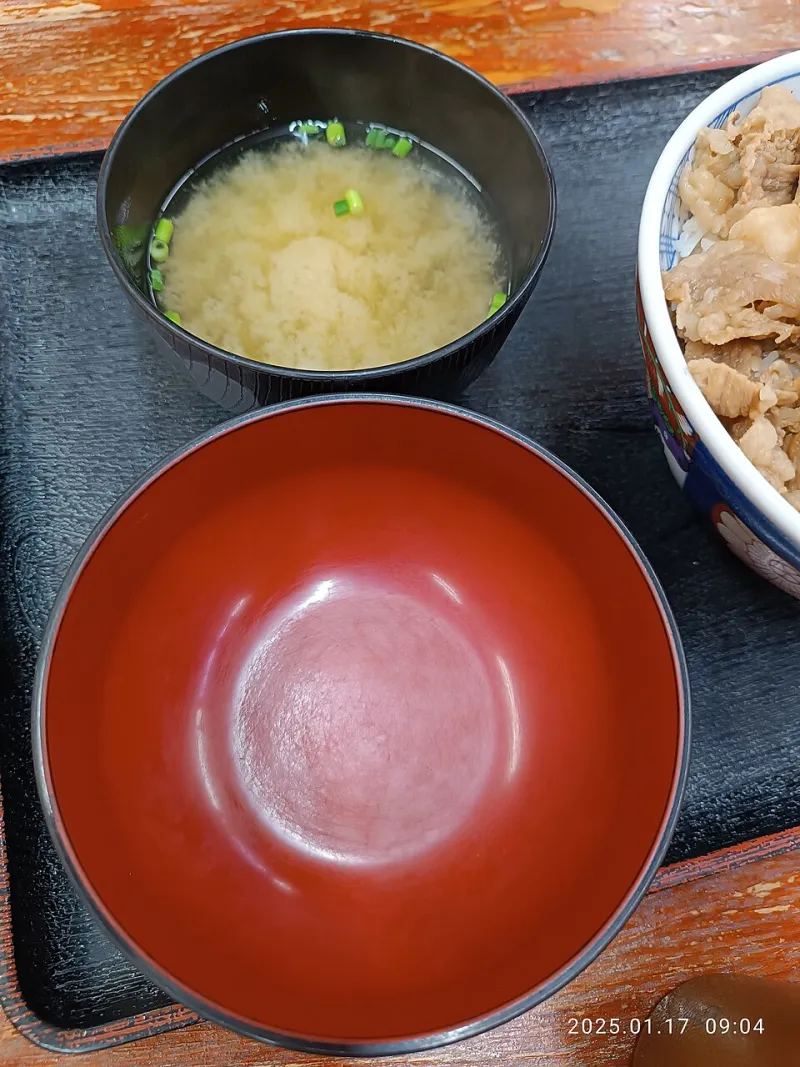
Breakfast became miso soup with whatever root vegetable was already cooked, plus rice and an egg. Lunch stayed normal. Dinners moved toward one-pot things — nabe, soups, anything that simmered and could be reheated for two days.
The unglamorous finding: soups made on Sunday meant I actually ate vegetables on Wednesday. Convenience decides more of my diet than intention does.
Week Two: The Three Non-Food Changes
A month of seasonal eating would have been a food article. But Rittō asks for a few other adjustments, and these turned out to matter more than the menu.
- Dinner got earlier by about forty minutes. Darkness arrives before 5 p.m. now, and my body takes the hint whether I approve or not. Eating earlier made falling asleep noticeably easier.
- I moved my walk to midday. This is the single highest-value change. In winter, the bright hours are the scarce resource. A twenty-minute walk at noon is not exercise, it is a light prescription.
- My desk got warmer in color. I switched the lamp beside my monitor to a warm bulb and added a blanket within reach. In Rittō the goal is not to fight the dark but to make the evening room pleasant enough that I do not spend it scrolling for stimulation.
None of these required willpower. They required noticing that the conditions had changed.
Why Two Weeks Beats Thirty Days
Here is the structural argument. A 30-day challenge sets a single starting line and a distant finish. If you miss day eleven, the whole thing is compromised — and most of us respond to a compromised streak by abandoning it. The failure is built into the format.
A two-week season has a different emotional shape. There is no failure state, only a next season. If Rittō goes badly, Shōsetsu starts in about two weeks and you get a clean, guilt-free reset. You are not starting over. You are turning a page.
That is also, quietly, how the site's whole ethos works. Genki is renewable energy, not stored willpower. Stored willpower runs out and takes your self-image with it.
Your Field Guide to the Next Three Seasons
Start anywhere. Here is what is coming and what each one is good for.
| Season | Approx. dates | Weather mood | One habit that fits |
|---|---|---|---|
| Rittō (start of winter) | Nov 7 – Nov 21 | Cold arrives, leaves drop | Warm breakfast, noon walk in daylight |
| Shōsetsu (light snow) | Nov 22 – Dec 6 | First flurries, real chill | Hearty one-pot dinners, cook once for three days |
| Taisetsu (deep snow) | Dec 7 – Dec 21 | Coldest stretch, shortest days | Protect sleep timing; move the walk indoors if needed |
| Tōji (winter solstice) | Dec 22 – Jan 4 | Longest night, turning point | Citrus and yuzu, warm baths, fewer evening plans |
One note of honesty: nijūshi-sekki was a farming and poetic calendar, not a wellness program. I am using it as a frame, not following instructions from the 1600s. The frame works because it keeps asking a good question — what is actually happening right now, and what would help?
The Two-Week Habit Card
Copy this down or screenshot it. One card per season, no carryover guilt.
- One food swap. Name a single in-season ingredient you will buy this fortnight. Just one. Mine was kabocha.
- One time shift. Move one thing earlier or later to match the light. Mine was dinner.
- One daylight walk. Twenty minutes, midday, no podcast required.
- One warm thing. A soup, a bath ritual, a lamp bulb, a blanket. Something that makes the dark hours pleasant instead of something to escape.
- One evening boundary. A cutoff time for good decisions. After that hour, nothing gets decided, only slept on.
- A close-out note. On the last day, write two lines: what helped, what I will carry forward. Then let the season end.
What I Will Keep
I will not keep all of it. The nabe will not survive May, and I do not want it to — that is the point. Seasonal habits are supposed to expire.
What I am keeping is the cadence. Every two weeks, a small question instead of a large verdict. My energy this month has not been heroic. It has been steady, and steady is the thing I have never once gotten from a 30-day challenge.